Showing posts with label travel safety. Show all posts

Thursday, 8 December 2016

Death by selfie

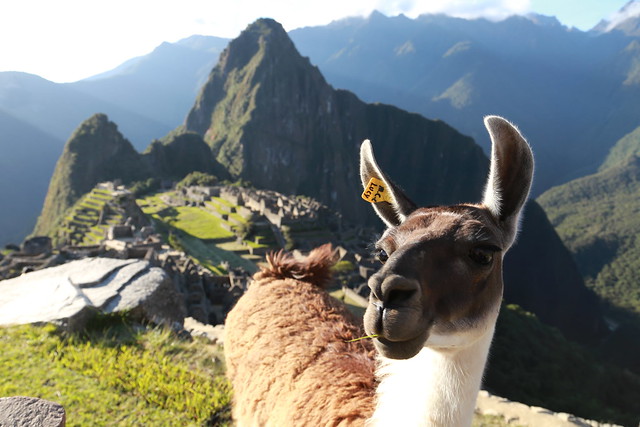
Lamapicchu selfie
Think that selfie is fun? Harmless?

Aside of the downsides of "missing" the experience of where you are, because you're so busy capturing your selfie, you may be surprised to to learn that taking selfies is actually dangerous.

What starts as playful fun can cross the line when selfies become an obsession, in which you become less aware of your surroundings and take ever-increasing risks.

Especially for men. The truth is that while women take more selfies than men, 75% of selfie death victims are MEN.

Selfie deaths?!? Really? You bet.

Selfie-takers have been killed by:
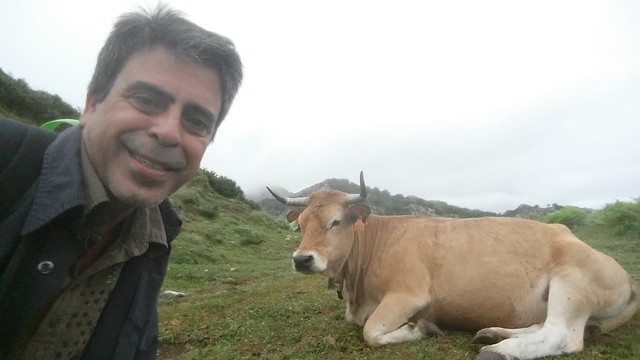
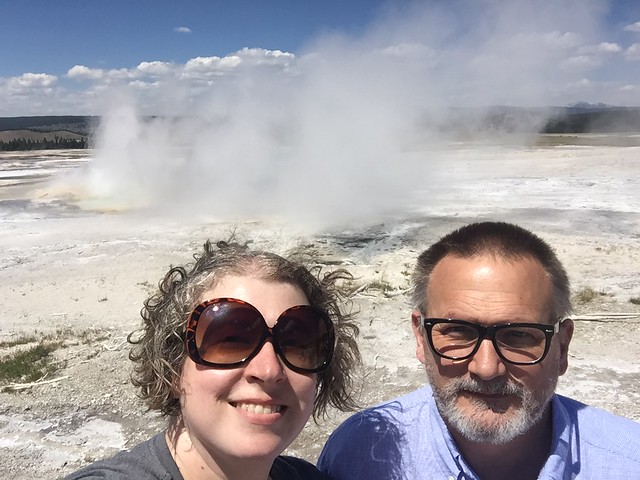
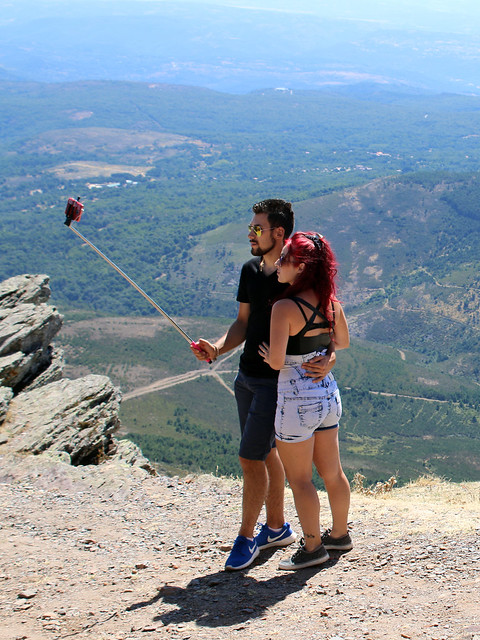
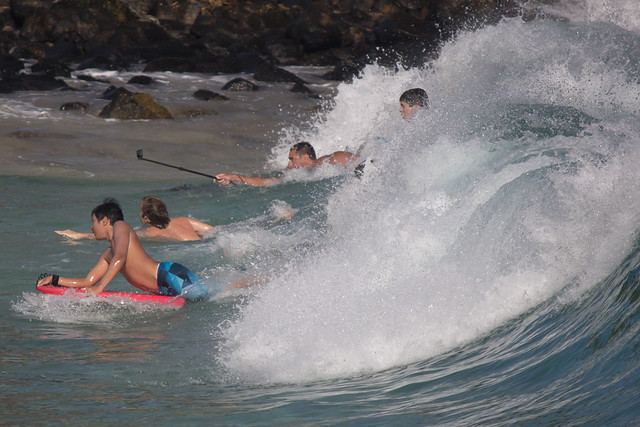
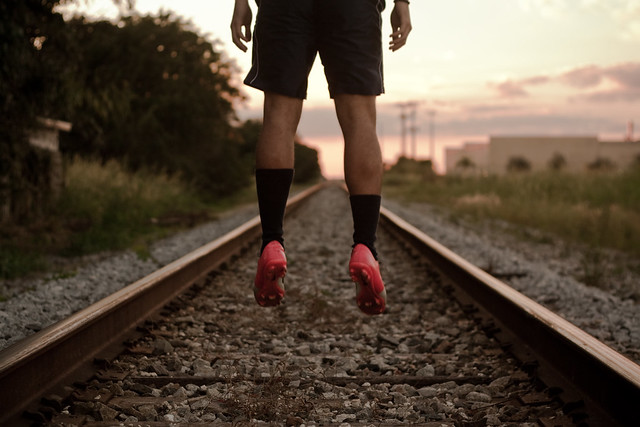
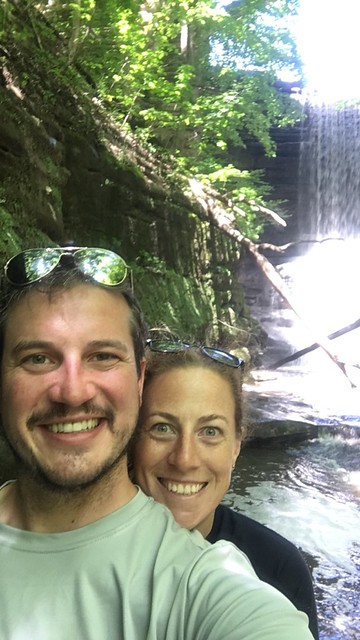
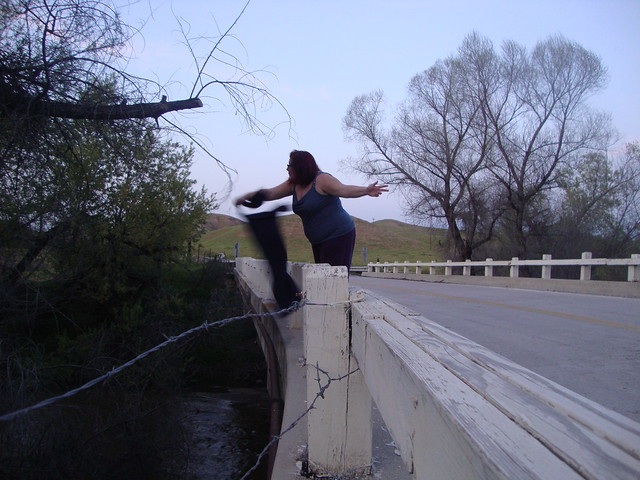
    StockbridgeUltimate "Selfie"Picos SelfieGeyser selfie!SelfiemaniaThe extreme selfie Up in the Air Waterfall SelfieSP 81/365 - March 22, 2010 - Giving it all to the River - 365 X 3
  • Falling off cliffs while taking selfies
  • Falling over viewpoint barriers
  • Falling into a volcano crater
  • Falling down stairs
  • Falling down stairs while taking a selfie at the Taj Majal
  • Falling off bridges
  • Falling off dams
  • Falling into ponds, springs, irrigation canals and water reservoirs
  • Falling into a geyser while taking a selfie
  • Falling into a quarry filled with rainwater
  • Falling into a well, while leaning over to take a selfie showing the depth
  • In a melt hole at the front edge of a receding glacier
  • Standing in a rivers
  • Taking selfies with waterfalls
  • By waves, when taking selfies on the beach
  • Standing in the surf, in a storm, taking selfies
  • Taking selfies on train tracks (several)
  • Taking selfies with trains
  • Falling off moving trains
  • Climbing on top of moving trains
  • Climbing on top of stationary trains (electrocution)
  • Taking driving selfies
  • Crashing cars uploading selfies while driving
  • Being hit by cars, while taking selfies
  • Standing up in a boat to take selfies (drownings)
  • Climbing on a fountain to take selfies
  • Climbing onto a glass dome and falling through
  • Falling off high buildings and ledges
  • Climbing on girders in a construction site
  • Leaping to take a "flying selfie" (at Machu Picchu)
  • Posing with guns (many in the USA and Russia)
  • Posing with grenades
  • Posing with a rattlesnake
  • Posing with tigers at the zoo
  • Taking selfies with a walrus at the zoo
  • Posing with a bison in a national park (gored)
  • Posing with an elephant near their tent on a safari
  • Getting out of a vehicle to take selfies with a herd of elephants blocking a road
Places where selfies have banned, due to deaths:
  • In Pamplona, Spain, during the Running of the Bulls in Pamplona
  • At New York State zoos (tigers)
  • Anywhere in Mumbai (India has very high selfie deaths)
  • In Japan, selfies and selfie-sticks on train station platforms are banned

Selfie bans have been proposed, due to high selfie deaths:
  • In Paris, at the Eiffel Tower
  • In Rome, at Trevi Fountain
  • In Rome, on the Spanish Steps

Does it get worse?
#selfie Yes, the most risk of selfies are being called "killfies". These selfies aren't just careless, the are planned death-defying selfies by adrenaline junkies. And a shocking number die trying.  

Is there hope?

Yes. A group of computer science students at Carnegie Mellon University, in partnership with the Indraprastha Institute of Information Technology, are tackling the issue of educating people on dangerous photo ops. The strategies include an anti-death-by-selfie app that would provide a warning if the user is about to attempt a high-risk selfie - or even better: shut down the camera [read more].

It's an intriguing concept. While we're not sure it would dissuade those inclined towards death defying killfies, it does sound like a great solution for those simply caught up in the moment and at risk of accidental death. 

Is there an alternative?

Flytographer has a new approach
Yes, there is a new option available for travellers.

Flytographer is a network of professional photographers worldwide, many in popular tourist destinations. In larger cities, there may be multiple photographers to choose from, and Flytographer makes this easy, as you can check out samples of each photographer's work online. The best part? You get GREAT photos of your memorable trips and travel moments, including electronic files. We say, Flytographer is brilliant!


Note: the photos in this article are NOT those of people who died taking a selfie (though you will find such photos in the results below).


Related resources
Capturing Travel Memories by Flytographer - cruisetravelbug
Researchers Seek Solution to Selfie-Related Deaths - Carnegie Mellon University
The Newest Trend Has People Dying For The Perfect ‘Killfies’- Social News Daily
Extreme Selfie Attempts Which Resulted In Horrifying Deaths - Daily Leaks
Selfie Obsession kills over 60 people Worldwide - Phone Radar
Mumbai sets no-selfie zones as deaths linked to selfies rise - Big Story
13 Landmarks That Have Banned Selfies or Selfie-Sticks - Conde Nast Traveler
Driving Selfies On The Rise And Having Deadly Consequences - Social News Daily

Sunday, 5 June 2016

Mugging: are you a target? 10 resources

Deserves to be pick-pocketed
This guy is definitely a target - are you?
creative commons image waldopepper on Flickr
Are you a target for mugging? You might be surprised.

Trust us, you don't want to lose your money, credit cards, identification, camera or anything while you travel. So read on...
`
Here we share stories from seasoned travellers who have been duped and robbed -- along with 10 resources to help keep you and your valuables safe.

Lessons learned from Being Mugged Abroad - Yvonne Ivanescu
Just because you've travelled a long time with no major problems doesn't make you less vulnerable, it can make you more so. Here's a telling story from ThePlanetD:
Last month I celebrated the one year anniversary of an event that made a significant impact on my life and molded me into a more savvy, independent and conscientious traveler. In July 2012, I was mugged by thee individuals on a sunny afternoon while I was walking around in Valparaiso, located around 2 hours away from Santiago de Chile. After the event, I recounted my story to numerous eager ears only to be welcomed with blank expressions coupled with snide remarks that my actions had made me an easy target... [read what Yvonne learned].

After 62 Countries in 5 Years, We Were Robbed - Jeremy
Jeremy and Angie  have been travelling the world for years, and thought they had escaped the thieves, but, alas, it happened to them too. Here's their story from Living the Dream:
After 550+ days of travel since 2008, being gone for almost a whole year on this trip, and visiting hundreds of cities in 62 countries, our day finally happened in Puno, Peru. And we nearly lost everything. As we were in the bus station getting ready to leave for Cusco, I looked down and noticed something odd.  My bag containing a computer, expensive SLR, camera gear, passports, and emergency money was nowhere to be found. It didn’t take long to figure out what happened and we soon determined that we were victims to one of the oldest techniques in the book: the diversion... [read what Jeremy learned].

How NOT to Get Mugged on the Paris Metro (By an 8-Year-Old) - Down the Wrabbit Hole
The woman behind the wrabbit has travelled a lot, and thought herself pretty savvy, until she was outsmarted by a little kid. Here's her story from Down the Wrabbit Hole:
My story goes back to my Europe 2010 trip. I was with my 23 junior high students, 10 parent chaperones, and our fearless Explorica tour guide - and a partridge in a pear tree.  Or so it seemed.  Navigating that massive group through the streets of Paris without losing anyone had already proven to be a challenge, but not impossible.  Now we were headed for the underground Metro system, moving from the Eiffel Tower to our restaurant for dinner... [read what this traveller in Paris learned].

So... if it happened to them, it can happen to you!

Here are 10 resources to help protect yourself:
Grzimekhaus, Zoo Frankfurt: beware of pickpockets
Warning in the Frankfurt Zoo
creative commons image sunixzs on Flickr
  1. How to avoid being mugged - WikiHow
  2. Theft by pickpockets in Naples, Rome, Florence and Milan, Italy - Bella-Toscana (GREAT RESOURCE)
  3. Outsmarting thieves and pickpockets in Europe - Rick Steves
  4. Tips for Not Getting Mugged in South America - Going Nomadic
  5. Surefire Ways to Get Mugged on Vacation - HuffPost Travel
  6. Anti Theft Travel Gear: 6 Ways To Keep Your Valuables Secure - IndieTraveller
  7. Top 5 Anti-Theft Travel Bags for Women - Travel Fashion Girl
  8. Make A Secret Pocket In Your Pants! - The Expert Vagabond
  9. The Dummy’s Guide to Packing a Theft-Proof Backpack - Packsmiths
  10. Seven Ways to Keep Your Stuff Safe When You Fly - Independent Traveler

Related resources
Spot the deadly fake taxi on your international travels! - IHateTaxis
Dealing with touts - IHateTaxis
Airport arrival advice - IHateTaxis
The world-wide bad reputation of Bogota taxis - IHateTaxis

Thursday, 2 April 2015

Don’t let sensationalized travel fear invoke paralysis

standing at the precipice
creativecommons image by charleskremenak on Flickr

by Todd Romaine

Let’s face the obvious fact – you will die at some point. Now, getting over this depressed reality should not paralyze you from living life and seeing the world in real-time versus from in front of a television set.

It seems all too often that the world is becoming a small place to travel within when the broad strokes of generalization of ‘no-go zones’ are factored into trip planning. Generally speaking, the Middle East is considered very volatile with the usual images of suicidal bombers and revolution. Africa is considered dangerous for contacting deadly viral diseases to war and to horrific crimes against locals and tourists alike. Much of Asia, with the exception of the southeast portion, is considered to share the same traits as the Middle East and Africa.

Right off the bat, most people now eliminate 2/3rds of the world and stick to safe countries in safe regions to ensure a continuance of life as they know it. And with the overload of information in people’s lives, we thrive and make decisions based on a combination of news or research snippets followed by gut reasoning.

When Ebola hit the news, people were avoiding Africa and all parts of it, despite the fact it only impacted three countries in West Africa and left the remaining 51 countries alone. While images of the Middle East show chaotic conditions, much of the region is peaceful or safe to travel, or countries considered dangerous generally have pockets of it, versus a wide swath of territory (exception being ISIL in Iraq, Syria).

Unfortunately official country reports tend to reinforce these stereotypes and this compounds the issue further with insurance companies, travel companies and the likes also terminating or intensifying their view of the area.

I am not suggesting you shrug this information off completely but spend time doing research on where you want to travel and what areas to avoid.

Admittedly, I went to Yemen last year as a tourist, a country that only receives a handful of American tourists and likely even less Canadians. Despite the political issues, kidnappings etc., I was able to find pockets of the country that were very safe and was able to enjoy it without dealing with hordes of tourists.

Traveling solo or with a small group tends to attract less negative attention and spending money with a reputable tour group also greatly assists with navigating away from potential dangers.

Maybe the world is going to hell in a hand-basket, but most of the world is still relatively safe and if do your own detailed research, and do proper planning, you have the opportunity to see reality in your own eyes versus the often drummed up sensationalism of mass media.

Related resources
Fear, Risk and Travel - Gary Arndt, Everything Everywhere
Travel warnings and advisories - Independent Traveler
Why you should ignore travel warnings - Reid's Italy
Travel in the time of Ebola
May the odds be ever in your favour
What counts as a country visited?

Saturday, 20 December 2014

Spot the deadly fake taxi on your international travels!

Shocking Fake Taxi
Would you be able to pick out a fake taxi in a foreign land, where everything is new to you?
What if you're extremely tired from a long-haul flight? Or you've had too much to drink?
Can you spot the signs that this is a fake taxi?
Tip: right click the picture to open it in a new window, for a close-up view.
Once you have given the picture a good look over, scroll down to see the answers below.

It happens all over the world and has resulted in numerous rip-offs, robberies, sexual assaults, kidnapping and murder – taking a fake taxi could be your last trip.

All too often, most assume everything that looks like a taxi must be a taxi and therefore, by default, we numb our minds and jump-in without a second thought. More often than not, our minds are even more trusting of taxis in foreign lands where everything is new or when we have consumed considerable alcohol.

The most likely locations of taking a fake taxi are China, Lebanon, Colombia, Brazil, Belgium, France (Paris), and Nigeria though it has and can literally take place anywhere in the world.

Most fake taxi drivers do it for economic reasons – no insurance, no taxi license, and a cash only system that generates considerable profits.

Other fake taxi drivers have more nefarious objectives, such as:
  • Purposefully rigging their meters to jump wildly (China, Thailand)
  • Counterfeit money laundering (China)
  • Violent robberies (Brazil, Colombia and Namibia)
  • Intent to sexually assault women (Brussels, Paris, Toronto, UK)

How to spot a fake


There are some common things you should look for with respect to fake taxis:
  • Different colour scheme from the dominant registered licensed taxis you see driving about
  • No taxi license in the vehicle
  • Cash only
  • No presence of an actual meter
  • Taxi driver approaches you and encourages you to use their vehicle versus waiting in a queue
  • Physical characteristics (really a judgment call) on whether they look like an official taxi driver
  • Several occupants in the vehicle
  • Displayed photo identification does not match driver's facial features
  • Removable or flimsy taxi sign on roof
  • Substandard working condition
  • Invalid or non-existent license plates
  • Non-existent dispatch system
  • No GPS in vehicle yet such units are readily seen in other taxis in the area you are visiting 7

How to avoid or deal with the fake


Tips on avoiding or dealing with fake taxis:
  • Always travel with a companion, especially if you a woman leaving a bar at the end of the night - a fake taxi driver will be less likely target you if you are less vulnerable (with a companion)
  • Do research on the internet (i.e. ihatetaxis.com) beforehand, to familiarize yourself with what official taxi cab companies operate in the city you are visiting OR upon arrival at the airport go to the information desk to ask "what does an official taxi look like?"
  • Always call or book online for a taxi from a licensed company - Google such companies online, or have your hotel call you one (often called a 'radio taxi')
  • If a radio taxi is not available, go to an official taxi queue line near a major hotel, shopping mall etc.
  • The taxi driver should recite your name when picking you up, and if they don't, then they are not the designated pick-up person for you
  • Always sit in the back seat of a taxi to avoid any contentious situation, albeit a legitimate taxi or fake one - you want to be unencumbered should you need to flee
  • If there is a meter present, and it is behaving erratically without a legitimate explanation, if you are in a safe area, ask the driver politely to pull over, place the money on the seat and get out (while this may or may not be a fake taxi, there is a scam going on and best you remove yourself from the situation)
  • Have your cellular phone charged up and ready to either videotape and or call the police at a moment`s notice
  • Carry small change so as to avoid getting fake currency change back - you should also be able to drop the exact fare (or a bit more) on the seat and walk off in a dispute
  • Under all circumstances, where possible, travel with your bags with you in the car and not the trunk (access to the trunk will be used as unfair leverage if you refuse to comply with unreasonable demands)
  • If you are being attacked or placed in a very vulnerable situation, scream or yell to alert nearby people of your plight – this could force the driver to stop his nefarious plans with you
Truth be told, fake taxi drivers are getting more and more clever all the time in order to dupe travelers, but if you follow the above guidelines you should minimize your chances of being in a very unfavourable situation.


Shocking Fake Taxi
To the trained eye this is a fake taxi. It has magnetic removable sign on the door that is slightly misaligned, the top TAXI sign on the roof is out of proportion and the company's logo or dispatch telephone number do not appear on the rear of the vehicle.
So be it, ride it and you'll be unaware that the fare is then mechanically controlled by the driver who will charge at his own will, regardless of the destination or distance. Upon reaching your destination, the shocking high price will be demanded. Hanoi, Vietnam, SE Asia.
Source: Emilio Labrador on flickr (permission requested)

Have a scary story about a fake taxi? Please contact us so we can update our travel pages and alert other future travelers.

Related resources:
Smart travel advice from IHateTaxis: